Loyalty Ladders Syncing Seasonal Calendars with Multi-Sport Digital Ecosystems
Written by Vera Meier · Sep 7, 2026
Loyalty Ladders Syncing Seasonal Calendars with Multi-Sport Digital Ecosystems
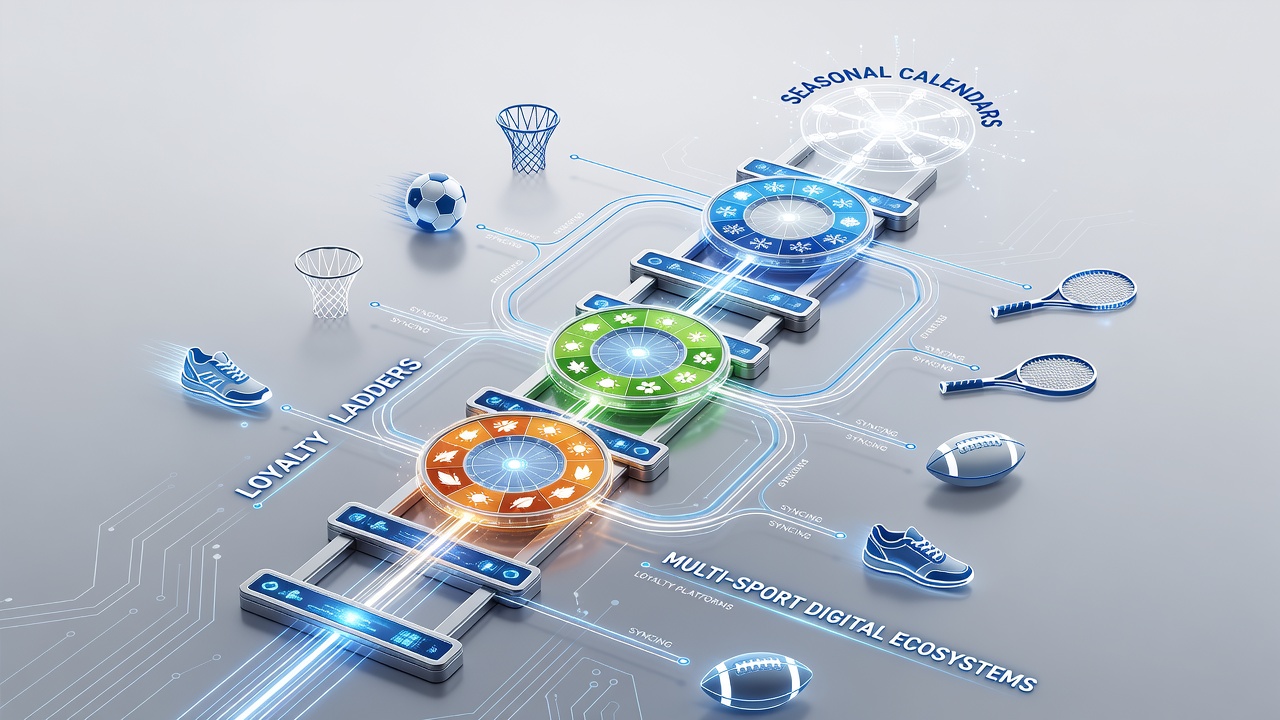
Digital platforms organize loyalty ladders as tiered structures that advance users through levels based on activity volume and consistency, while seasonal calendars dictate when certain sports enter peak periods and when others transition into off-seasons. These ladders connect directly to multi-sport ecosystems so that points earned in one category transfer across football, horse racing, tennis, and basketball schedules without resetting at the end of any single campaign.
Mechanics of Tier Progression in Integrated Platforms
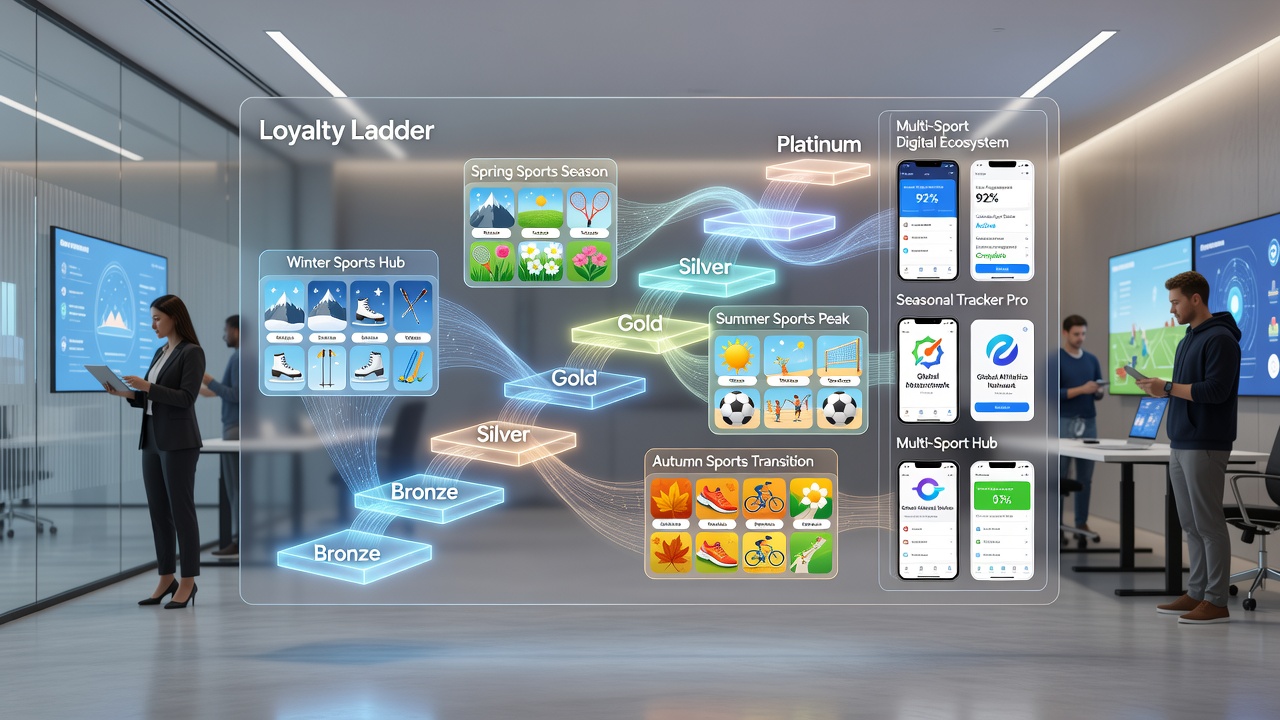
Users climb loyalty ladders when they place qualifying bets or engage with live features during designated windows, and platforms calculate advancement using cumulative data from multiple sports rather than isolated categories. A participant who accumulates points through Premier League matches in winter can carry that progress into spring racing festivals, whereas someone focused on summer cricket events maintains momentum when the football season resumes in August. This synchronization prevents gaps in engagement that once occurred when calendars shifted abruptly between disciplines.
September 2026 marks the point where several major European football leagues begin their campaigns alongside the continuation of Australian rules football and the start of the US NFL season, creating overlapping windows that platforms exploit to keep ladders active across time zones. Data shows that users who engage during these overlap periods reach higher tiers faster because the ecosystem rewards cross-sport participation instead of single-league focus.
Calendar Alignment Across Sports Seasons
Seasonal calendars serve as the backbone for loyalty structures because they determine when high-volume events occur and when quieter periods require alternative offerings to maintain activity. Platforms map these calendars into their systems so that loyalty milestones align with events like the Cheltenham Festival, the FA Cup final, or the Breeders' Cup, while also accounting for quieter intervals such as international breaks or post-season lulls. The result is a continuous progression path that does not stall when one sport pauses.
Multi-sport digital ecosystems achieve this by feeding real-time schedule data into loyalty algorithms, allowing points multipliers during peak weeks and steady accumulation during transitional months. Observers note that platforms which fail to align ladders with these calendars experience drops in user retention once a major season concludes, whereas those that maintain synchronization sustain steady tier movement year-round.
Cross-Sport Reward Transfer and Ecosystem Features
Rewards earned in one sport convert into credits or experiences usable in others because the underlying ecosystem treats all activity as part of a single loyalty profile. A user who reaches a mid-tier through horse racing bets can apply those benefits to football accumulators or tennis outrights without starting a new ladder. This transfer mechanism relies on unified tracking systems that pull data from disparate event calendars and consolidate it into one progression track.
According to research published by the Victorian Responsible Gambling Foundation, integrated loyalty systems that span multiple sports show higher long-term engagement rates compared with single-sport programs. teh study tracked participants across calendar transitions and found that cross-category point systems reduced churn during off-peak months for any individual sport.
Technological Infrastructure Supporting Synchronization
Backend systems use API connections to pull fixture lists, start times, and result feeds from multiple sports governing bodies, then feed that information into loyalty engines that adjust tier requirements and reward values automatically. Developers program these engines to recognize when one season ends and another begins, shifting bonus multipliers or unlocking new challenges without manual intervention. Users interact with the front-end interface that displays upcoming calendar events alongside their current ladder position and projected advancement dates.
Platforms also incorporate user location data and time-zone adjustments so that participants in different regions see relevant seasonal triggers at appropriate local times. This infrastructure supports both major global events and regional competitions, ensuring that loyalty ladders remain responsive regardless of which sports dominate any given month.
September 2026 Overlaps and Platform Adjustments
In September 2026, platforms prepare loyalty ladders for simultaneous activation across northern hemisphere football leagues, southern hemisphere rugby competitions, and the early stages of the US college football season. Systems automatically detect these overlaps and introduce combined challenges that reward users for engaging with at least two different sports within defined timeframes. The adjustment prevents the fragmentation that previously occurred when users had to choose between competing seasonal interests.
Those who have studied these ecosystems observe that September alignments produce measurable spikes in tier advancements because the calendar density increases available opportunities. Platforms respond by extending the validity periods of certain rewards so that progress made during the busy month carries forward into October and November without expiration pressure.
Conclusion
Loyalty ladders that sync with seasonal calendars and operate within multi-sport digital ecosystems create continuous progression paths by linking activity across football, horse racing, and other disciplines through unified tracking and reward transfer mechanisms. Platforms achieve this synchronization through calendar mapping, API-driven data feeds, and automated tier adjustments that respond to overlapping seasons such as those occurring in September 2026. Data from sources including the Victorian Responsible Gambling Foundation and reports from the New York State Gaming Commission indicate that such integrated systems maintain higher engagement levels across calendar transitions compared with disconnected programs. The structure ensures that users advance based on overall participation rather than isolated sport performance, producing a stable loyalty framework that adapts to the natural rhythms of multiple sporting calendars.