Exploring Loyalty Tiers and Their Influence on Wager Patterns Across Lower League Soccer Fixtures Alongside Provincial Racing Venues
Written by Rosa Carter · Nov 16, 2026
Exploring Loyalty Tiers and Their Influence on Wager Patterns Across Lower League Soccer Fixtures Alongside Provincial Racing Venues
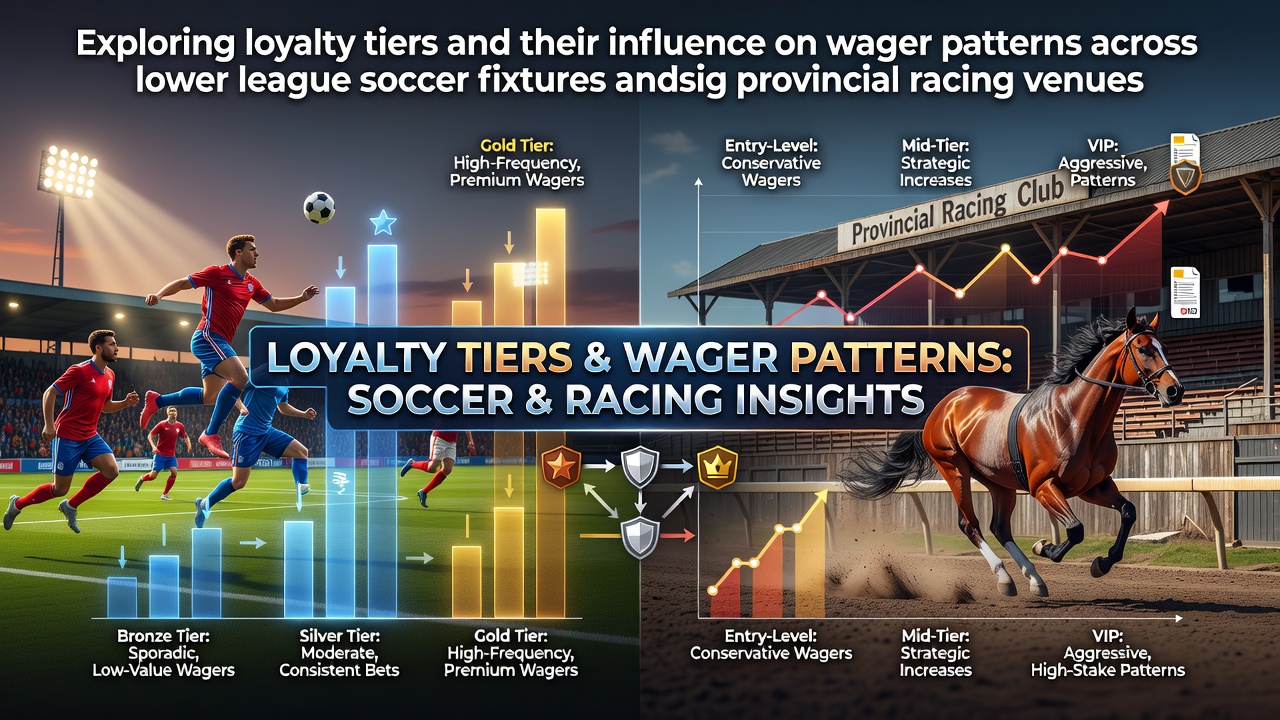
Loyalty tiers in betting platforms operate through structured reward systems that grant escalating benefits based on accumulated activity, and these structures shape how participants approach wagers on lower league soccer matches and events at smaller racing tracks. Data indicates that operators segment users into levels such as entry, mid, and premium categories, where each step unlocks features like reduced margins on accumulators, priority access to specials, and periodic cash returns tied to volume. Observers note that such systems encourage sustained engagement rather than one-off transactions, particularly in markets where fixtures occur midweek or outside peak viewing hours.
How Tier Structures Organize User Activity
Participants advance through tiers by meeting thresholds measured in total stakes or qualifying bets over set periods, and this progression alters decision-making when selecting outcomes in leagues below the top divisions or at regional racecourses. Research from the Australian Institute of Family Studies shows that higher-tier users place more frequent smaller wagers across multiple selections, while entry-level accounts tend toward single larger bets on favorites. The mechanics create visible differences because benefits scale with status, prompting adjustments in stake sizing and market choice to maximize returns from the available incentives.
Provincial racing venues, which host meetings on less prominent circuits, see parallel shifts as tiered rewards include tailored promotions around jumps or all-weather events. Figures reveal that mid-tier accounts increase activity on handicap races once they qualify for enhanced place terms, whereas lower levels stick to simpler win markets until they accumulate enough volume for upgrades.
Patterns Emerging in Lower League Soccer
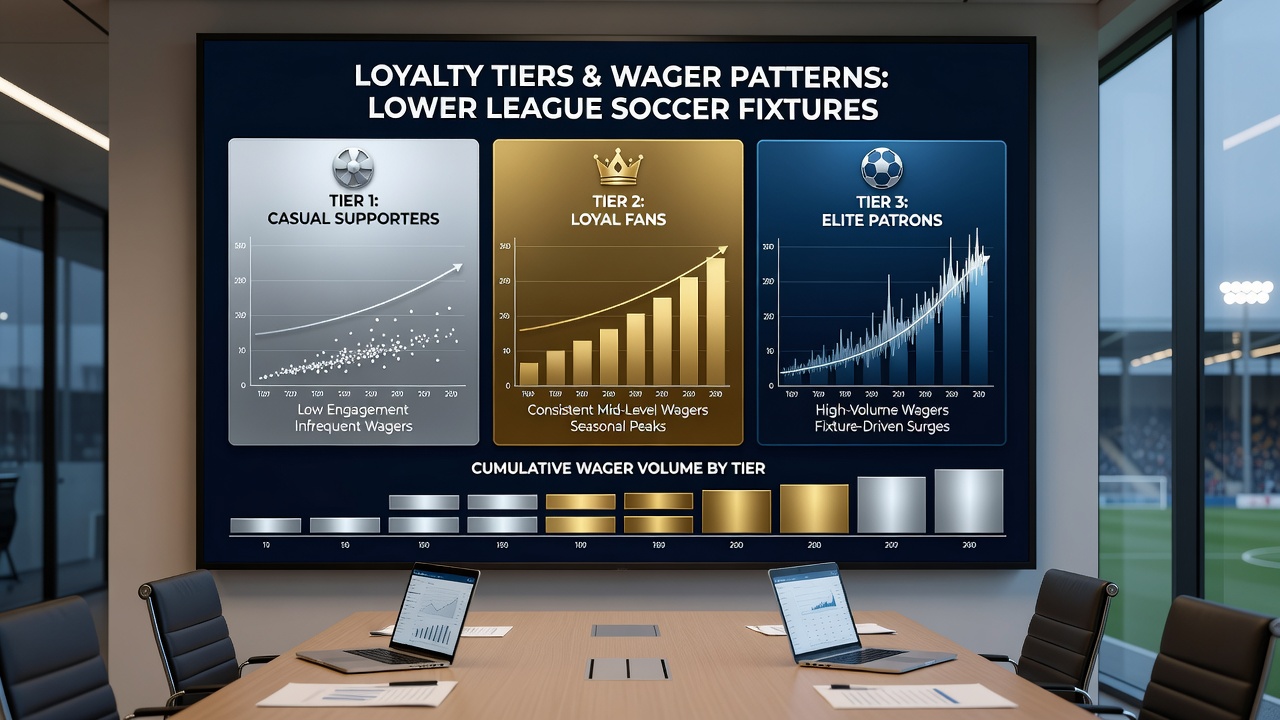
Lower league soccer fixtures attract distinct wagering behaviors once loyalty mechanics enter the equation, and November 2026 data from several operators highlights an uptick in accumulator construction among users who recently reached mid-tier status. Those accounts often combine results from multiple divisions into single tickets to leverage multiplier bonuses that become available only after tier advancement. Studies tracking transaction logs find that goal-related markets gain traction among premium users because cashback offers offset losses on over-under selections during matches with variable scoring patterns.
Take one dataset compiled across several seasons where entry-tier bettors focused almost exclusively on match results in League Two or National League games, yet the same cohort diversified into Asian handicap and correct score options after climbing one level. This change occurs because the reward structure rewards volume and variety, steering activity toward markets that previously carried higher margins.
Adjustments Observed at Provincial Racing Venues
Provincial tracks experience comparable realignments when loyalty tiers influence participant choices, and evidence from industry reports points to increased interest in each-way bets once users unlock improved terms on place payouts. At venues hosting smaller fields or midweek cards, higher-tier accounts show elevated participation in forecast and tricast markets because those options often carry dedicated multipliers tied to status level. Lower-tier users meanwhile concentrate on straight win bets until they meet the activity requirements that unlock broader access.
According to a report issued by the Canadian Centre on Substance Use and Addiction, loyalty-driven activity tends to cluster around specific race types once users reach premium thresholds, with jumps meetings seeing the strongest response to place-related incentives. This pattern holds because the reward layers reduce the effective cost of participation on events that carry longer odds on average.
Comparative Trends Across Both Markets
Lower league soccer and provincial racing share several common responses to tier progression, although the timing of changes differs by sport calendar. Soccer sees volume spikes during international breaks when domestic lower divisions provide the only available fixtures, while racing responds to the steady schedule of all-weather meetings that fill gaps between major festivals. Data shows both sectors record higher average bet counts per user once mid-tier status is achieved, with the increase most pronounced in markets offering layered promotions.
Those who've examined operator analytics note that the transition from entry to mid-tier often coincides with a measurable broadening of market selection, moving away from heavy favorite bias toward a more balanced distribution across outcomes. The shift aligns with the structure of rewards that favor sustained rather than concentrated activity.
Conclusion
Loyalty tier systems continue to mold wager distribution in lower league soccer and provincial racing by aligning user incentives with volume-based benefits, and records from late 2026 confirm these effects persist across both sectors. The patterns emerge through measurable changes in stake frequency, market diversity, and timing of activity once participants cross defined thresholds. External analyses, including those from the Australian Institute of Family Studies and the Canadian Centre on Substance Use and Addiction, document consistent responses that operators can track through transaction data without requiring subjective interpretation.