Eligibility Thresholds Shaping Access to Progressive Multipliers Across Lower Division Replays and Evening Harness Meetings
Written by Dana Schulz · Oct 5, 2026
Eligibility Thresholds Shaping Access to Progressive Multipliers Across Lower Division Replays and Evening Harness Meetings
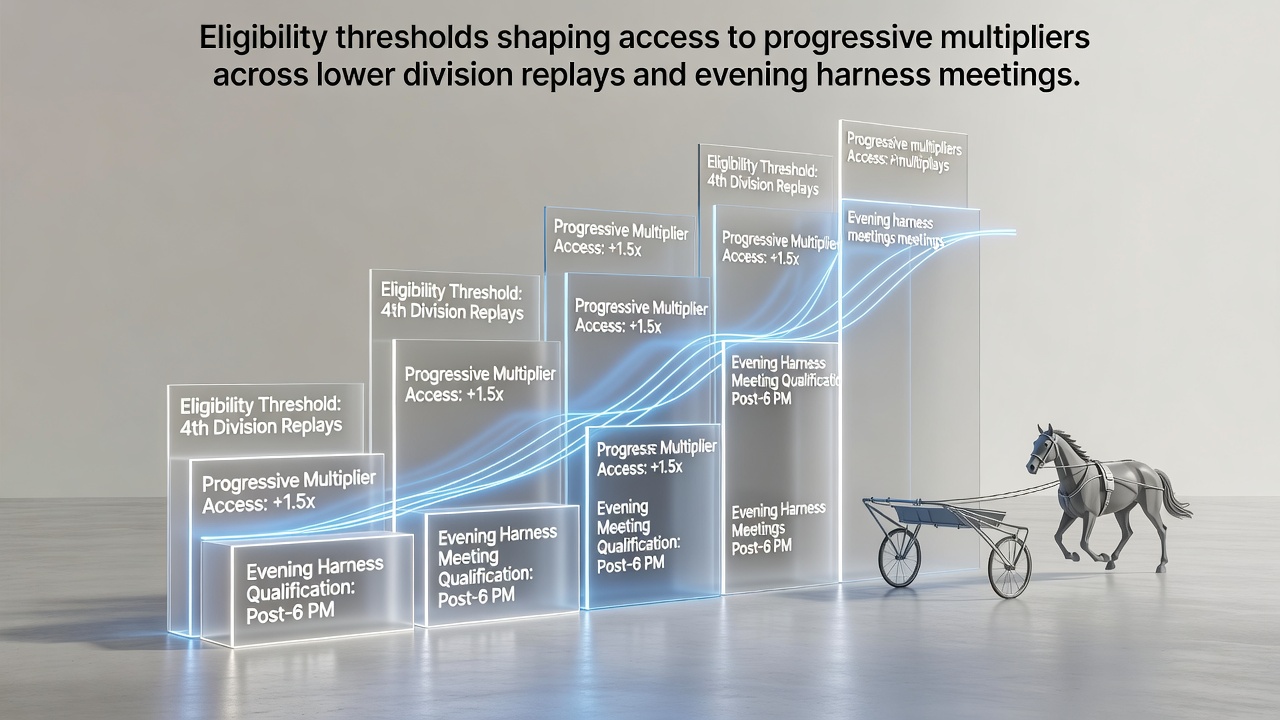
Eligibility thresholds determine which bettors gain entry to progressive multipliers that scale rewards during lower division replays and evening harness meetings, with operators applying criteria such as minimum deposit levels, account tenure, and regional verification before unlocking tiered boosts. These rules create structured pathways where initial access requires meeting base conditions, after which multipliers increase based on cumulative activity or stake volume, according to industry reports from the Australian Gambling Research Centre. Data from October 2026 shows that lower division football replays, including those in leagues below the Championship, often feature multipliers starting at 1.5x and progressing to 3x once thresholds like £50 in prior wagers are cleared, while harness racing events in the evening slots apply similar scaling tied to race frequency and participant location.
Core Mechanics of Threshold Application
Operators set eligibility through a combination of static and dynamic checks that filter participation before any multiplier activates, and these checks typically include account age exceeding 30 days alongside verified payment methods from approved jurisdictions. Progressive elements build on initial qualification, where each completed wager above a set amount advances the multiplier tier, yet failure to sustain activity resets progress at the start of new promotional windows. Observers note that lower division replays see frequent use of these systems because fixture lists generate multiple midweek opportunities, whereas evening harness meetings concentrate activity in shorter time blocks that reward consistent evening engagement. Research from the University of Sydney's Gambling Treatment and Research Clinic indicates that threshold structures reduce broad eligibility by approximately 40 percent compared to unrestricted promotions, channeling access toward repeat participants who meet ongoing stake requirements.
Impact on Lower Division Replays
Lower division replays introduce extended timelines that allow thresholds to influence multiplier progression across multiple rounds, and bettors must often clear initial hurdles such as a minimum £25 deposit or three prior settled bets before entering the first multiplier stage. As replays advance from early qualifying ties into later stages, operators adjust thresholds upward, requiring larger cumulative stakes to unlock higher tiers that can reach 4x or 5x on accumulator selections. Those who study these patterns find that regional restrictions further narrow access, with some promotions limited to users in specific postcode areas or requiring additional identity confirmation that delays activation until after the first leg has concluded. In October 2026, figures revealed increased application of these layered rules during replay sequences, where evening scheduling overlaps with harness meetings created combined eligibility windows that rewarded cross-sport participation meeting unified deposit criteria.
Patterns in Evening Harness Meetings
Evening harness meetings operate on compressed schedules that align multiplier progression with race intervals, and eligibility often hinges on real-time stake thresholds such as £10 per race to maintain active status within a given meeting. Progressive multipliers here advance after each qualifying wager, yet participants must satisfy location-based rules that exclude certain international accounts while favoring domestic verified profiles. Data indicates that harness events in regional circuits apply tighter tenure requirements, mandating accounts active for at least 60 days before progressive features become available, which contrasts with the more flexible entry points seen in football replays. This setup produces distinct participation curves where early evening races see lower multiplier uptake until thresholds are met mid-meeting, after which later races deliver scaled returns for those who sustained eligibility.
Comparative Threshold Structures Across Events
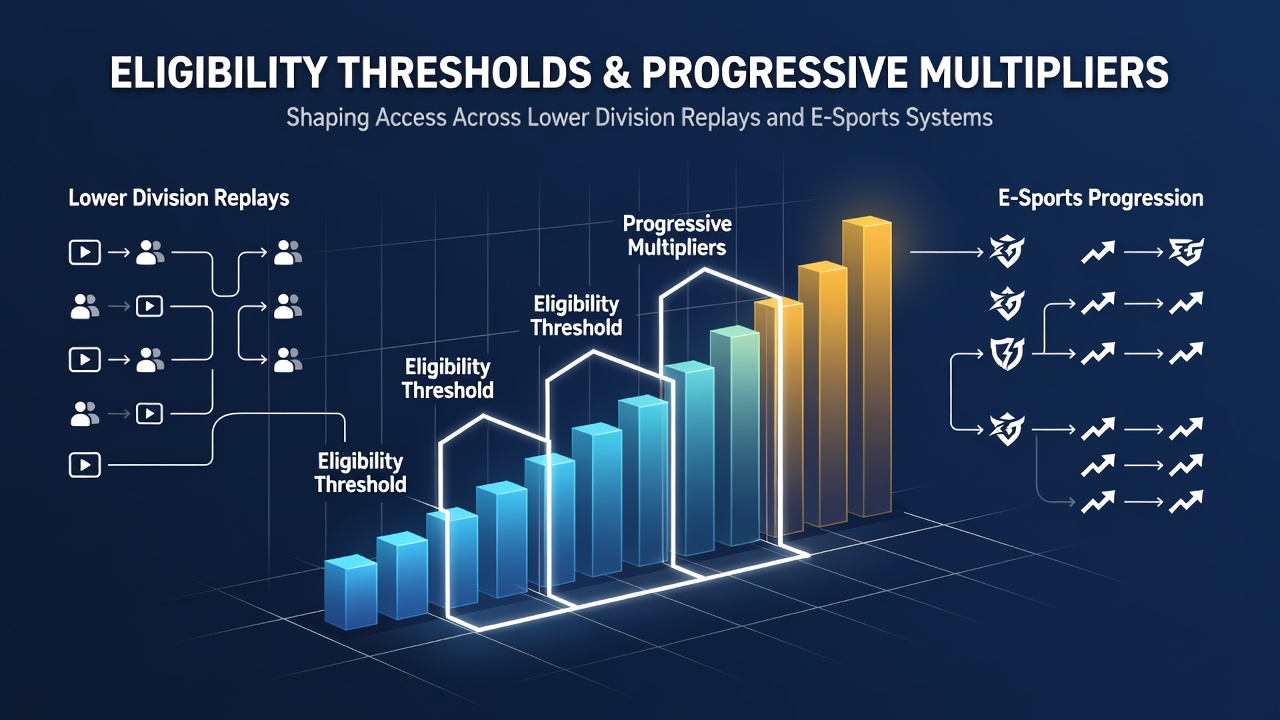
Thresholds differ markedly between lower division replays and evening harness meetings, with football events emphasizing cumulative deposit totals over longer periods while harness promotions focus on per-race activity counts that reset daily. Operators integrate verification layers such as mobile confirmation or bank linkage that must complete before multipliers activate, and these steps create bottlenecks that affect first-time participants more than established users. Evidence from Canadian regulatory summaries highlights how such requirements shape access patterns, particularly when promotions span both sports and demand unified account standing across multiple event types. Those monitoring October 2026 trends observed that combined eligibility for replay and harness multipliers often required meeting the stricter of the two sets of rules, resulting in consolidated participation among accounts already holding verified status from prior months.
Regulatory Influences on Access Design
Regulatory frameworks from various jurisdictions guide how operators construct threshold systems, and these guidelines emphasize responsible play measures that tie multiplier access to spending caps or time-based limits rather than unlimited progression. In practice, operators translate these directives into concrete eligibility gates that prevent rapid tier advancement without demonstrated account stability, and this translation produces consistent structures across both lower division replays and harness meetings. Academic analyses from the National Council on Problem Gambling note that such designs correlate with reduced participation rates among newer accounts, as threshold completion demands sustained interaction that newer profiles rarely achieve within single promotional cycles. The result appears in structured access where progressive multipliers reward longevity and volume while excluding casual or one-off engagement that falls short of stated criteria.
Conclusion
Eligibility thresholds function as gatekeepers that calibrate access to progressive multipliers, producing measurable differences in participation across lower division replays and evening harness meetings based on deposit history, account age, and regional compliance. October 2026 data underscores how these mechanisms channel rewards toward accounts meeting sustained criteria, while operators continue refining the balance between accessibility and regulatory alignment through tiered verification processes. The structures remain central to how multipliers scale in these specific betting contexts, with ongoing adjustments reflecting both operational priorities and external oversight from diverse regulatory bodies.