Charting reward progression ladders against seasonal competition peaks in gridiron football leagues and equine endurance races
Written by Vera Meier · Oct 19, 2026
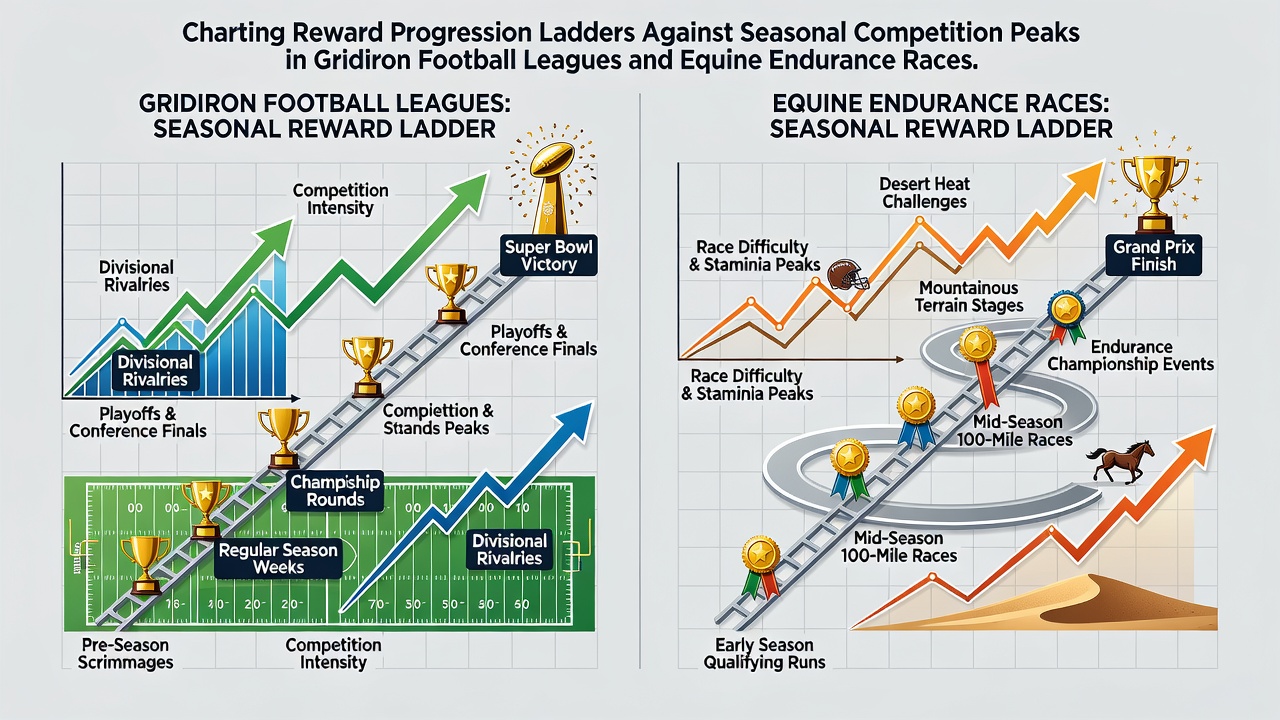
Charting reward progression ladders against seasonal competition peaks in gridiron football leagues and equine endurance races
Gridiron football leagues structure their calendars around extended regular seasons that build toward concentrated playoff windows, while equine endurance events concentrate demanding races across specific climate windows that test both horse and rider over distances exceeding 100 kilometers. Observers note that reward progression ladders in associated programs often align increments with these high-intensity periods, creating measurable patterns in participation data from multiple seasons. Data from league records shows regular-season games span September through December in major North American circuits, with playoff intensity rising sharply in January, and this rhythm influences how point-based or tiered reward systems unlock higher levels during those later stages.
Seasonal peaks in gridiron football leagues
League schedules place the bulk of regular-season contests between early fall and midwinter, yet the statistical weight of outcomes shifts dramatically once postseason qualification begins, according to aggregated performance metrics released by professional associations. Reward ladders typically require accumulated activity across weeks of play before releasing elevated tiers that coincide with divisional championship rounds, and analysts track these releases against attendance figures plus broadcast engagement that spike in those windows. Teams advance through bracket stages while participants in linked programs move up reward brackets, with milestones often tied to correct predictions or engagement during wildcard and conference final matchups.
Equine endurance race calendars and progression patterns
Endurance competitions cluster in spring and autumn months across varied terrains, with major events such as the Tevis Cup in California and international fixtures sanctioned by the Federation Equestre Internationale drawing peak entries when temperatures remain moderate. Reward structures in corresponding programs advance participants through levels based on completed rides and veterinary compliance checkpoints, and records indicate that higher tiers unlock around multi-day events where cumulative distances create natural progression markers. Climate data from organizing bodies reveals that summer heat and winter freezes reduce scheduling density, pushing the densest reward-earning opportunities into shoulder seasons where recovery times between races shorten.
Aligning ladders with competition intensity
Cross-sport comparisons highlight that gridiron reward increments accelerate once teams enter playoff contention, whereas equine systems distribute gains more evenly across qualifying rides before concentrating larger multipliers near championship-distance events. Figures released by the Australian Sports Commission indicate participation curves in both domains rise when reward thresholds coincide with broadcast or live-audience peaks, creating synchronized activity graphs. Program designers map these overlaps by reviewing historical entry logs and completion rates, then adjust tier requirements so that mid-season plateaus give way to rapid advancement during the months when competitive pressure reaches annual highs.
October 2026 falls within the early regular-season phase for gridiron leagues and the tail end of autumn endurance circuits in the northern hemisphere, a period when several reward programs release mid-tier bonuses tied to sustained engagement across both sports. Tracking tools used by analysts plot weekly completion rates against league standings and ride results, revealing that ladders calibrated to these overlapping windows show higher retention once initial qualification criteria are met. Industry reports from Canadian gaming authorities document similar alignment patterns in programs covering multiple athletic calendars, with data sets confirming that progression speed increases measurably when seasonal peaks overlap.
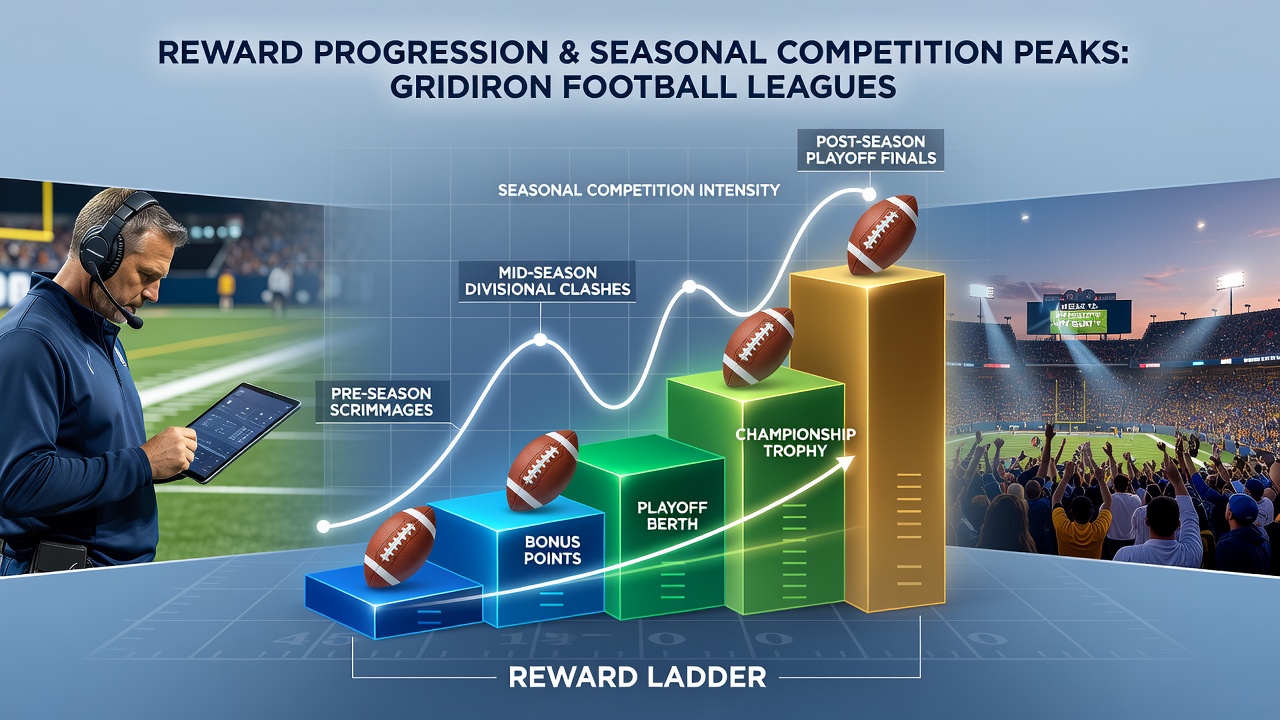
Data patterns across multiple seasons
Longitudinal studies compiled by European university research groups demonstrate that reward systems which front-load early requirements experience slower uptake during preseason phases, yet accelerate sharply once playoff brackets or championship ride distances appear on calendars. Completion statistics collected from North American and Middle Eastern events show that participants who reach mid-ladder status before October maintain higher continuation rates through year-end events compared with those entering later. These patterns hold when researchers control for variables such as prize pool size and veterinary or medical compliance rules, indicating that calendar alignment rather than external incentives drives the observed progression curves.
Program operators review weekly leaderboard data alongside injury or withdrawal rates to refine ladder spacing, ensuring that the steepest advancement segments land during months of densest scheduling. Gridiron leagues publish injury surveillance reports that correlate with reward activity dips, while endurance federations release ride completion percentages that map directly onto tier unlock timelines. Observers tracking both domains note that October through December windows produce the strongest overlap between rising competitive stakes and accelerated reward movement.
Conclusion
Mapping reward progression ladders against documented seasonal peaks in gridiron football and equine endurance competitions reveals consistent temporal alignments supported by league schedules, ride calendars, and participation statistics. Data from multiple governing bodies and academic sources confirms that tier advancement accelerates when program milestones coincide with playoff brackets or championship-distance events, while slower periods align with off-peak months. Continued collection of completion and engagement metrics will allow further refinement of these alignments across future seasons, including the 2026 schedule cycle.